WHY DO BERBER CARPETS COST SO MUCH (AND WHY IT'S NORMAL)?

The price of Berber rugs can sometimes be surprising: some pieces cost several hundred, or even several thousand euros. But why does a Berber rug cost so much? And why is this price justified?

In this article, we explain all the elements that determine the price of a Berber rug and why investing in an authentic piece makes perfect sense.

Artisanal work: several weeks of weaving

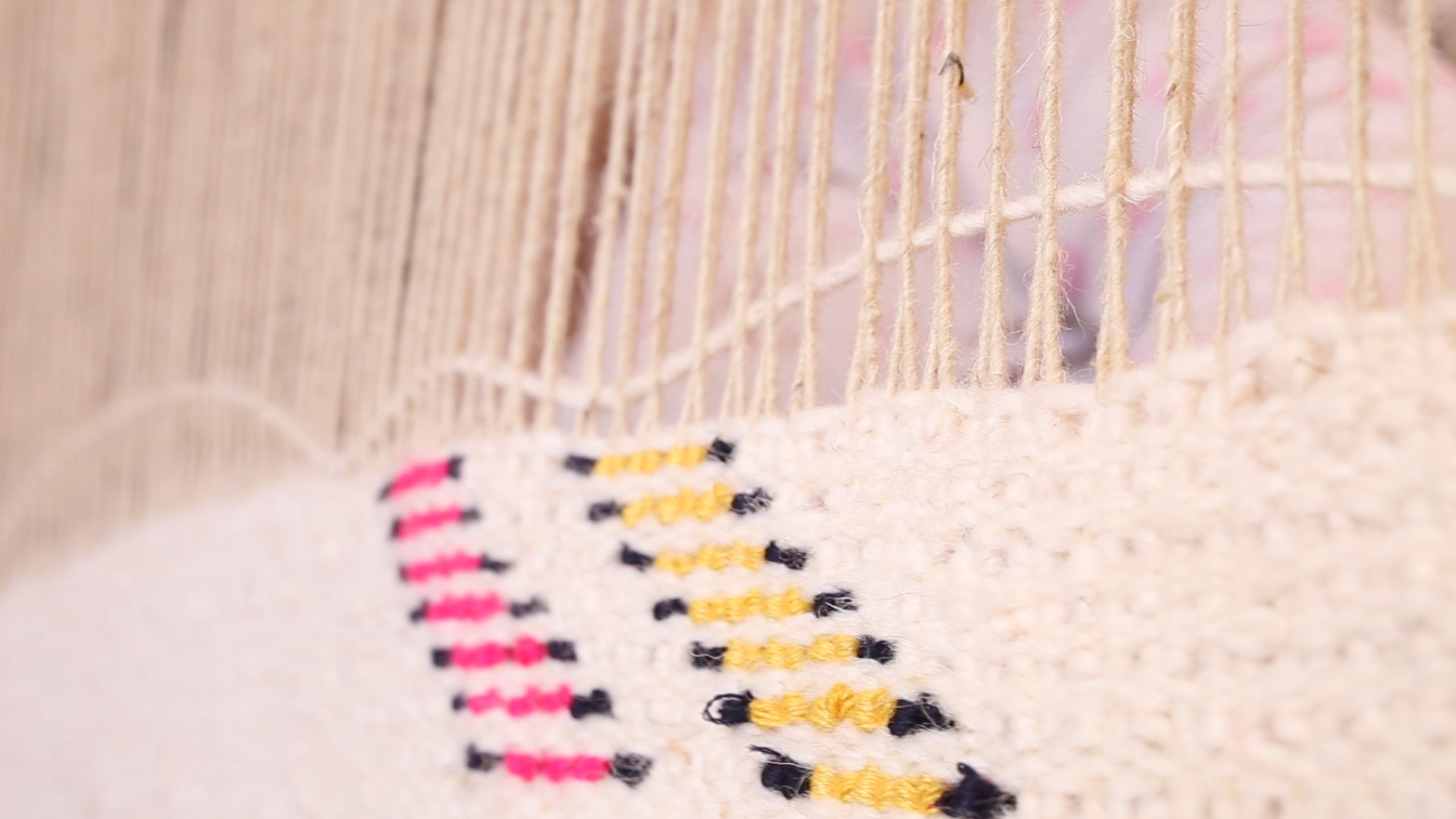
An authentic Berber carpet is entirely handmade by Moroccan craftswomen. Depending on the size and complexity of the pattern:

  1. A small carpet may require 1 to 2 weeks of work
  2. Medium-sized carpets often require 3 to 6 weeks
  3. Large carpets or complex patterns can take several months

Each knot is made by hand, sometimes several thousand per carpet, which explains a large part of the cost.

The raw material: high-quality natural wool

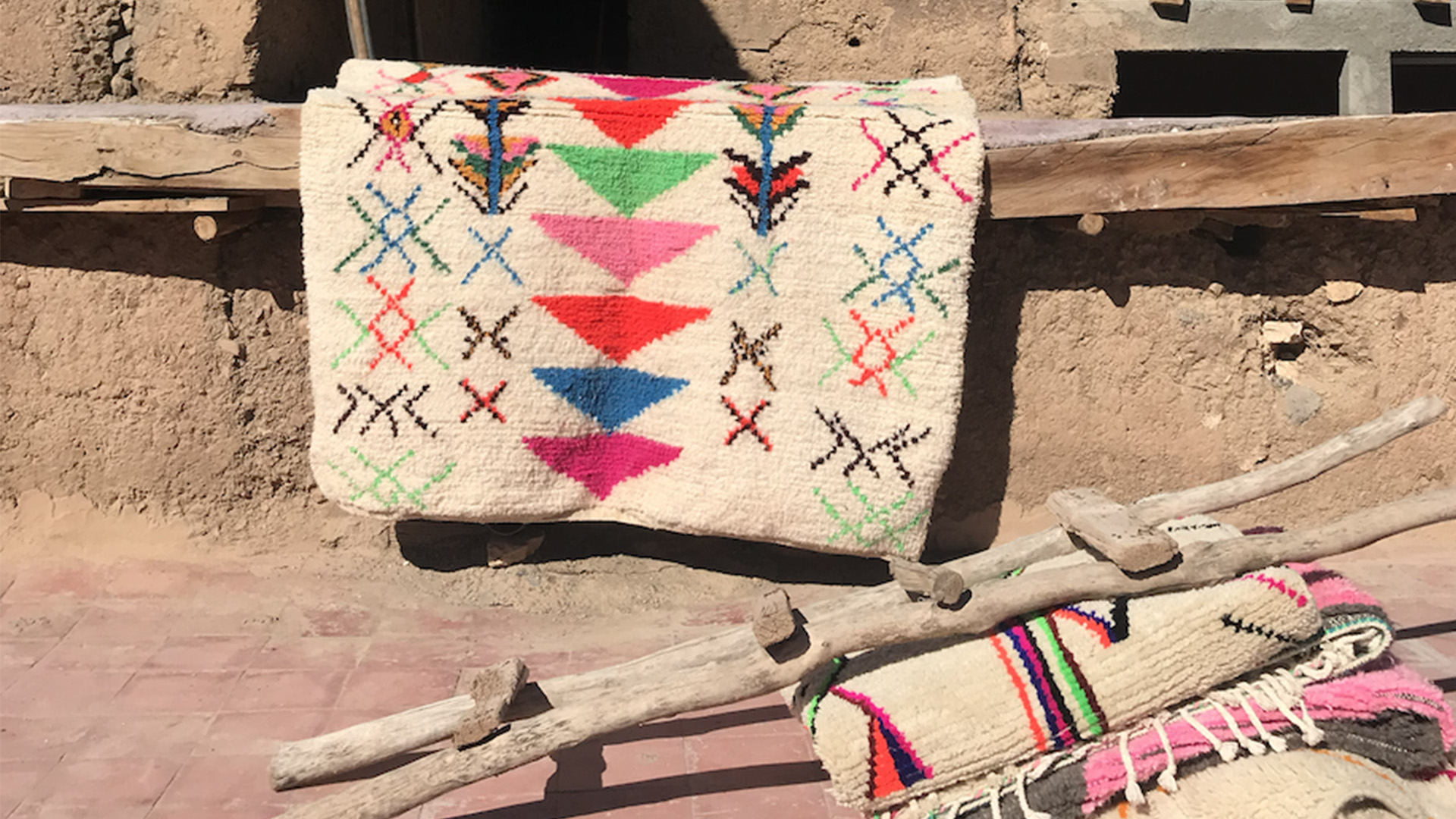
A true Berber Azilal carpet, Béni Ouarain or Kilim is woven from 100% natural wool, often sourced from local sheep.

Important characteristics:

  1. Raw wool is carded and spun by hand

  2. Some wool undergoes natural dyeing using plants or minerals

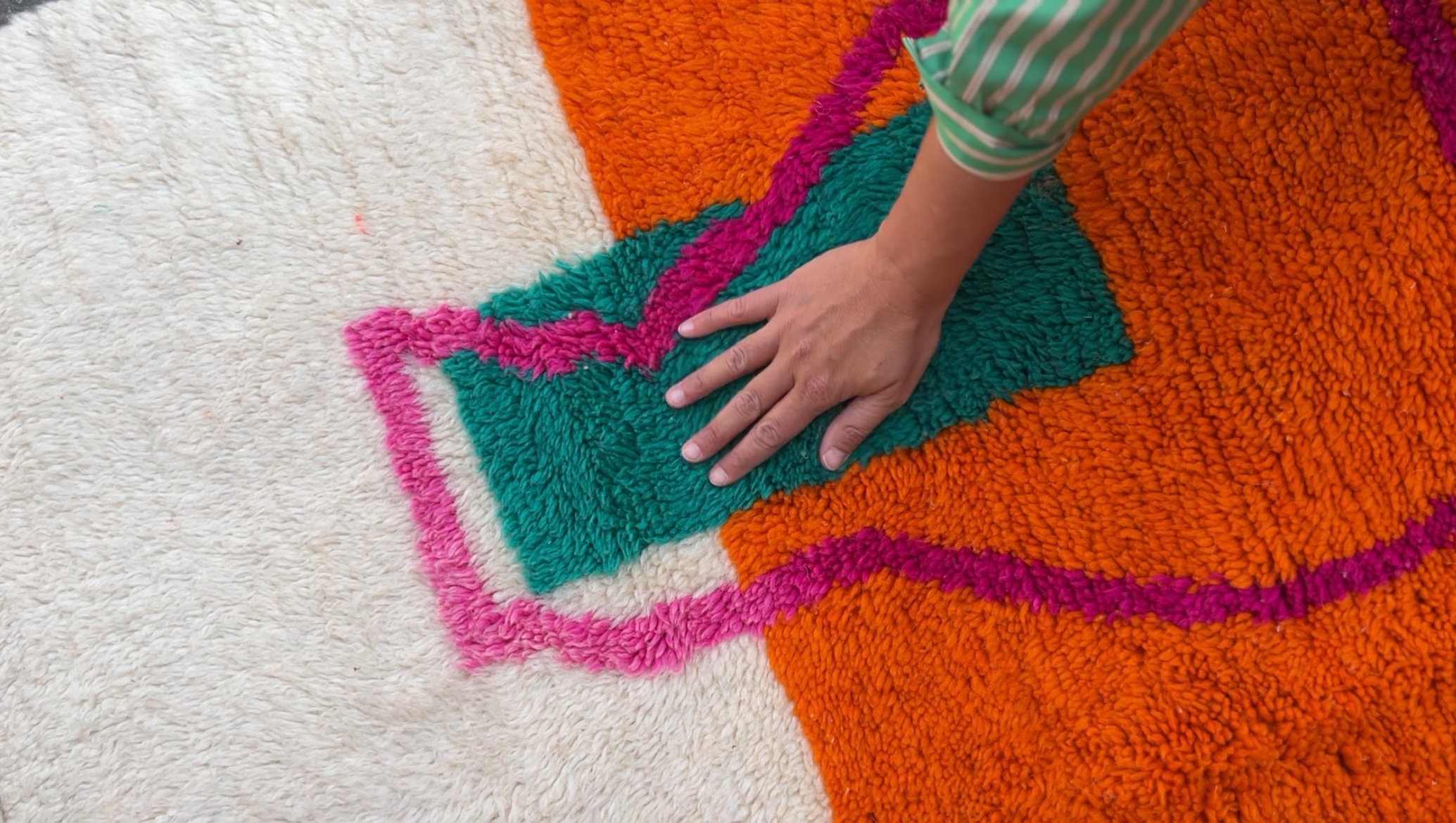
  3. The quality of the wool directly influences the durability and comfort of the carpet

Synthetic materials, on the other hand, are much cheaper but do not offer the same authenticity or longevity.

The complexity of patterns and weaving technique

The more complex the pattern, the longer and more meticulous the weaving process.

  1. Simple geometric patterns: reduced weaving time

  2. Detailed, symbolic, or personalized patterns: several additional weeks

Each carpet tells a story, and the complexity of the weaving reflects the ancestral craftsmanship of the artisans.

Long-term investment

An authentic Berber carpet is not just decorative:

  1. It can last 20 to 50 years with proper maintenance

  2. Handmade carpets improve with age, unlike industrial carpets

  3. It can become a collectible or heritage item

The ethical approach and remuneration of artisans

A true Berber carpet involves fair compensation for the work of artisans.

  1. Artisans are paid directly by the brand or the buyer

  2. No abusive intermediaries

  3. Respect for working conditions and recognition of expertise

Buying a carpet at too low a price often means that someone is not being paid properly.

Traceability and certified quality

Serious brands guarantee:

  1. The origin of the rug (tribes, region, workshop)

  2. The respect for traditional techniques

  3. Consistent and durable quality

This transparency comes at a cost, but it protects the authenticity of the product.

Investing in an authentic Berber rug means acquiring ancestral know-how, supporting craftswomen, and owning a unique and durable piece. The high price is not accidental, but a reflection of the quality, ethics, and history contained in each rug. At Them, we collaborate directly with Moroccan craftswomen to offer handmade, ethical, and contemporary Berber rugs, ensuring authenticity and durability.


WHY DO BERBER CARPETS COST SO MUCH (AND WHY IT'S NORMAL)?

The price of Berber rugs can sometimes be surprising: some pieces cost several hundred, or even several thousand euros. But why does a Berber rug cost so much? And why is this price justified?

In this article, we explain all the elements that determine the price of a Berber rug and why investing in an authentic piece makes perfect sense.

Artisanal work: several weeks of weaving

An authentic Berber carpet is entirely handmade by Moroccan craftswomen. Depending on the size and complexity of the pattern:

  1. A small carpet may require 1 to 2 weeks of work
  2. Medium-sized carpets often require 3 to 6 weeks
  3. Large carpets or complex patterns can take several months

Each knot is made by hand, sometimes several thousand per carpet, which explains a large part of the cost.

The raw material: high-quality natural wool

A true Berber Azilal rug, Béni Ouarain or Kilim is woven in 100% natural wool, often sourced from local sheep.

Important features:

  1. Raw wool is carded and spun by hand

  2. Some wool undergoes natural dyeing using plants or minerals

  3. The quality of the wool directly affects the durability and comfort of the rug

Synthetic materials, on the other hand, cost much less but do not offer the same authenticity or longevity.

The complexity of patterns and weaving technique

The more complex the pattern, the longer and more meticulous the weaving process.

  1. Simple geometric patterns: reduced weaving time

  2. Detailed, symbolic, or personalized patterns: several additional weeks

Each carpet tells a story, and the complexity of the weaving reflects the ancestral craftsmanship of the artisans.

Long-term investment

An authentic Berber carpet is not just decorative:

  1. It can last 20 to 50 years with proper maintenance

  2. Handmade carpets improve with age, unlike industrial carpets

  3. It can become a collectible or heritage item

The ethical approach and remuneration of artisans

A true Berber carpet involves fair compensation for the work of artisans.

  1. Artisans are paid directly by the brand or the buyer

  2. No abusive intermediaries

  3. Respect for working conditions and recognition of expertise

Buying a carpet at too low a price often means that someone is not being paid properly.

Traceability and certified quality

Serious brands guarantee:

  1. The origin of the rug (tribes, region, workshop)

  2. Respect for traditional techniques

  3. Consistent and durable quality

This transparency comes at a cost, but it protects the authenticity of the product.

Investing in an authentic Berber rug means acquiring ancestral know-how, supporting craftswomen, and owning a unique and durable piece. The high price is not accidental, but a reflection of the quality, ethics, and history contained in each rug. At Them, we collaborate directly with Moroccan craftswomen to offer handmade, ethical, and contemporary Berber rugs, ensuring authenticity and durability.