THE DIFFERENT STYLES OF BERBER RUGS: A COMPLETE GUIDE TO UNDERSTANDING THEIR SPECIFICITIES

Published on July 17, 2026

The Berber rugs fascinate with their authenticity, ancient craftsmanship, and incredible diversity. Behind the term "Berber rug" hides in reality many styles, each with its own history, patterns, colors, and weaving techniques.

Whether minimalist, colorful, graphic, or full of symbols, each Berber rug reflects the identity of the region and tribe where it originated. Understanding the different styles of Berber rugs helps in choosing a piece that suits one's interior while appreciating the cultural richness it embodies.

WHAT IS A BERBER RUG?

The Berber carpet is a traditional hand-woven carpet by women from the Amazigh tribes (Berbers) of Morocco. Made primarily from natural wool, these carpets were historically intended for domestic use: insulation of dwellings, bedding, or coverings. Each piece tells a story through symbolic patterns passed down from generation to generation.

Today, Berber carpets are sought after worldwide for their craftsmanship quality and timeless aesthetic.

Beni Ourain Rugs: Minimalist Elegance

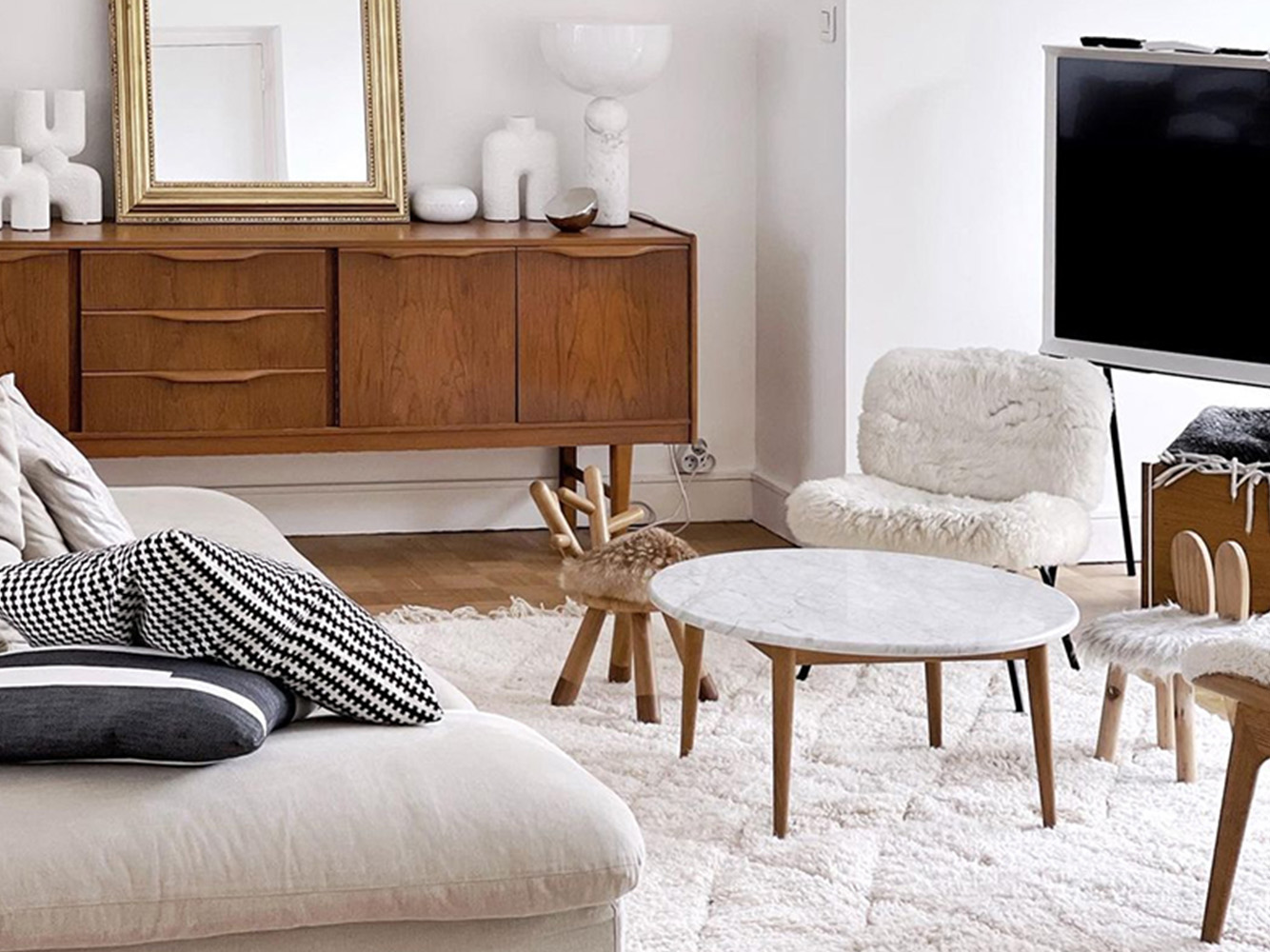
Among the most well-known Berber rugs, the Béni Ouarain hold a special place. Originating from the Middle Atlas Mountains, they are distinguished by:

  • their thick and particularly soft wool;
  • their natural shades of cream or ivory;
  • their black or brown geometric patterns;
  • their warm and minimalist appearance.

Their graphic simplicity fits perfectly in contemporary, Scandinavian, or minimalist interiors.


For which interior?

Béni Ouarain rugs are particularly suitable for:

  • bright living rooms;
  • bedrooms;
  • minimalist spaces;
  • contemporary interiors.

Azilal rugs: Berber creativity

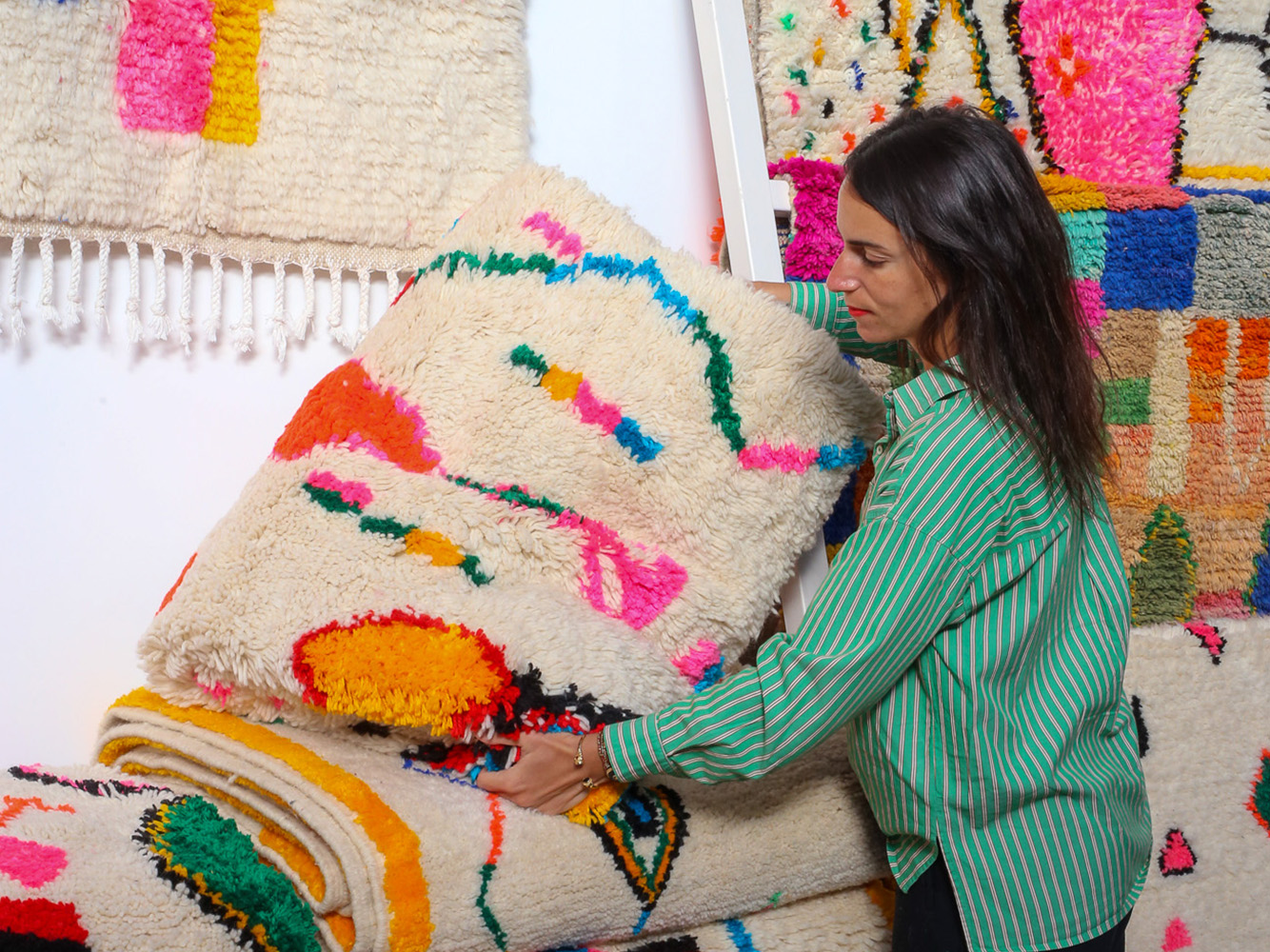
Originally from the Azilal region in the High Atlas, these rugs are characterized by their great artistic freedom. Unlike the Beni Ouarain, Azilal rugs often display:

  • asymmetrical patterns;
  • bright colors;
  • abstract designs;
  • very expressive Berber symbols.

Each piece is unique and often reflects the weaver's imagination.


Why choose an Azilal rug?

An Azilal rug immediately brings:

  • personality;
  • color;
  • an artistic touch;
  • a bohemian chic vibe.

It often becomes the central element of the decoration.

Boujad rugs: warmth and character

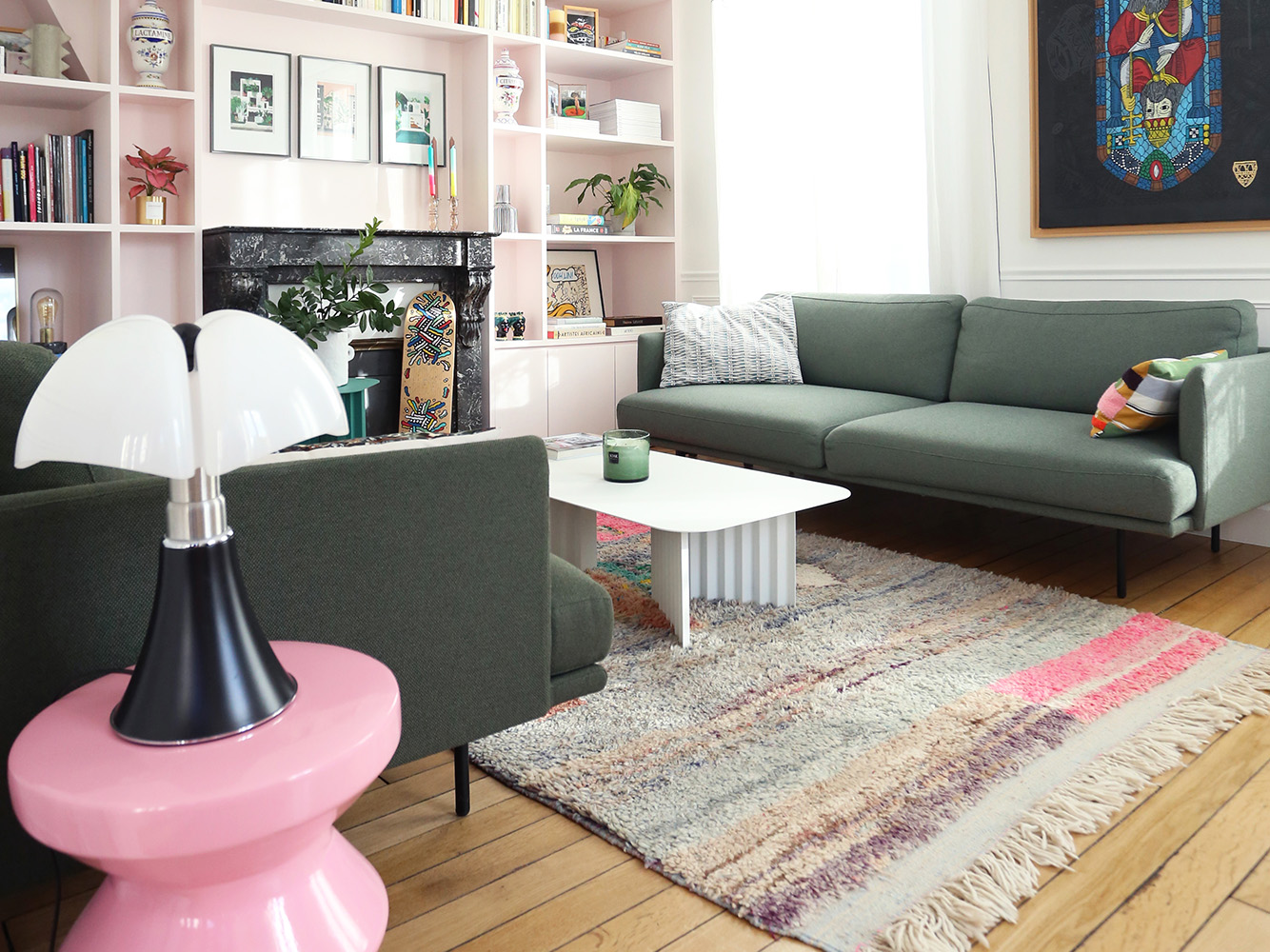
The Boujad rugs come from a region south of Marrakech.

They are recognizable by:

  • their pink, terracotta, or red tones;
  • their complex geometric patterns;
  • their vintage look;
  • their dense and plush wool.

Over time, their colors develop a beautiful patina that adds to their charm.


Where to integrate a Boujad rug in your decor?

Boujad rugs go particularly well with:

  • bohemian interiors;
  • countryside homes;
  • eclectic decorations;
  • warm and lively spaces.

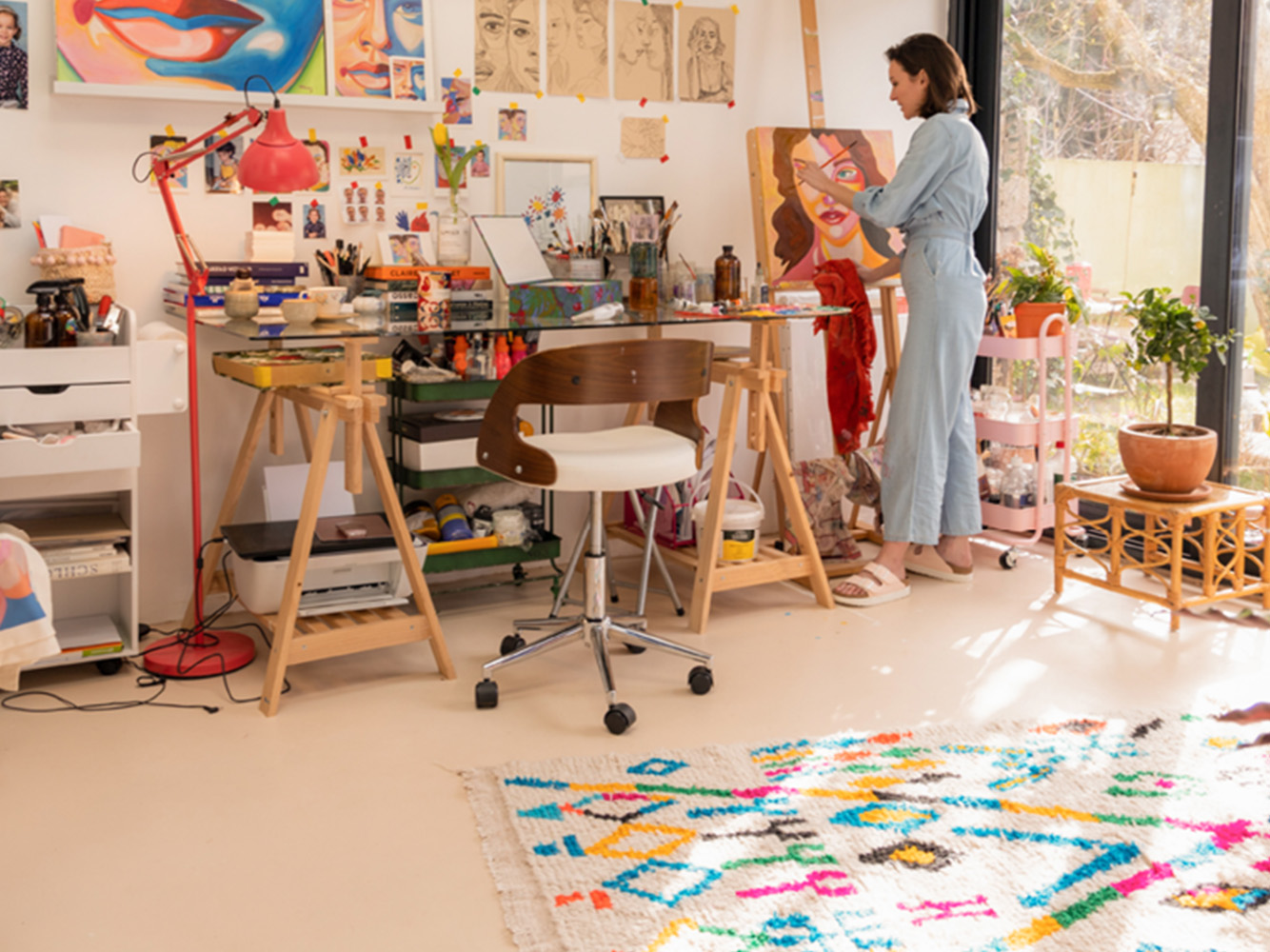
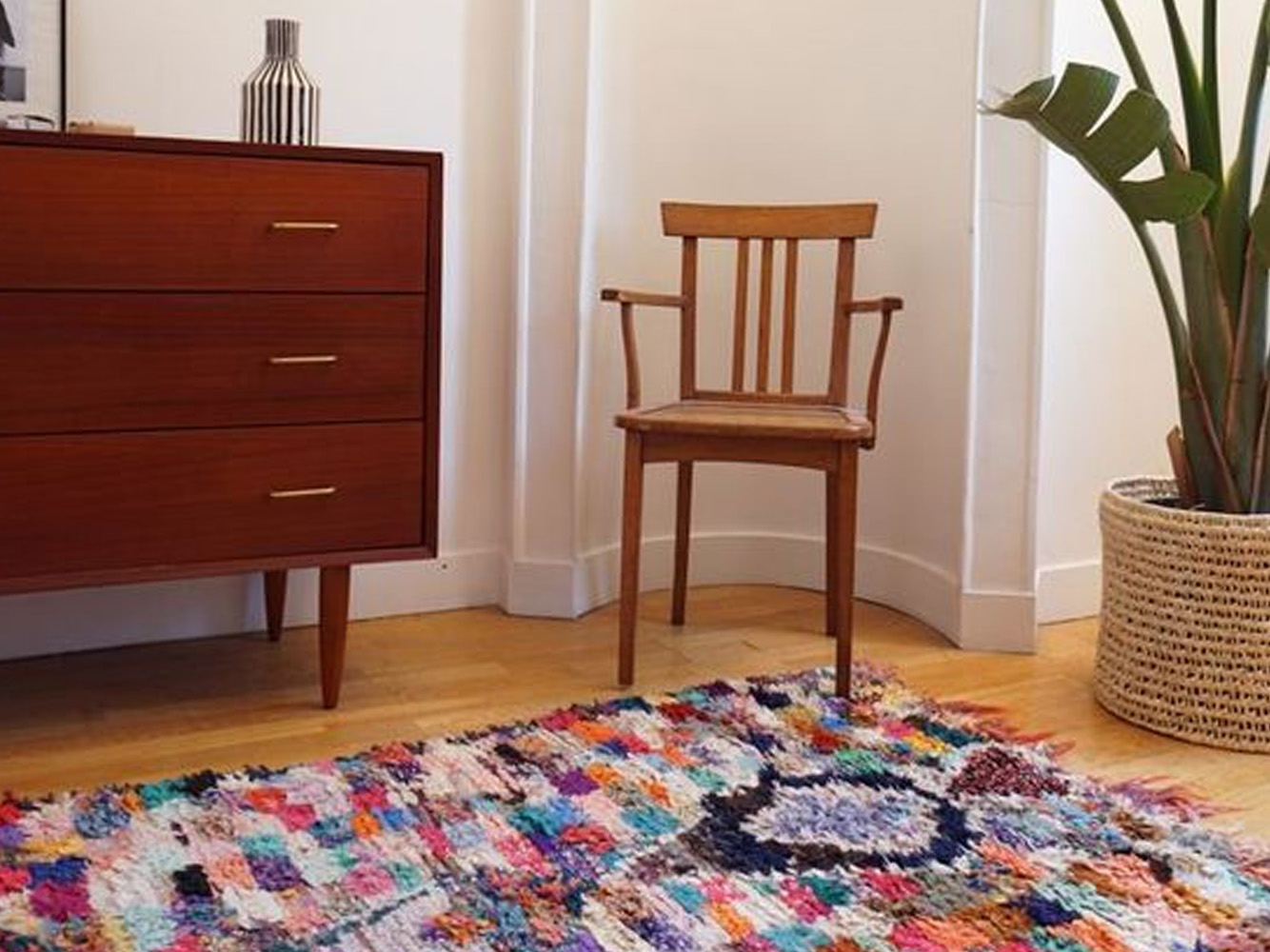
Boucherouite Rugs: The Art of Recycling

The Boucherouite rugs are probably the most atypical among Berber rugs.

Traditionally made from recycled fabric scraps, they feature:

  • very bright colors;
  • spontaneous compositions;
  • free patterns;
  • great visual richness.

Each rug is a true work of textile art.


Why are Boucherouite rugs so appealing?

They appeal because of:

  • their originality;
  • their sustainable artisanal approach;
  • their joyful aesthetics;
  • their unique character.

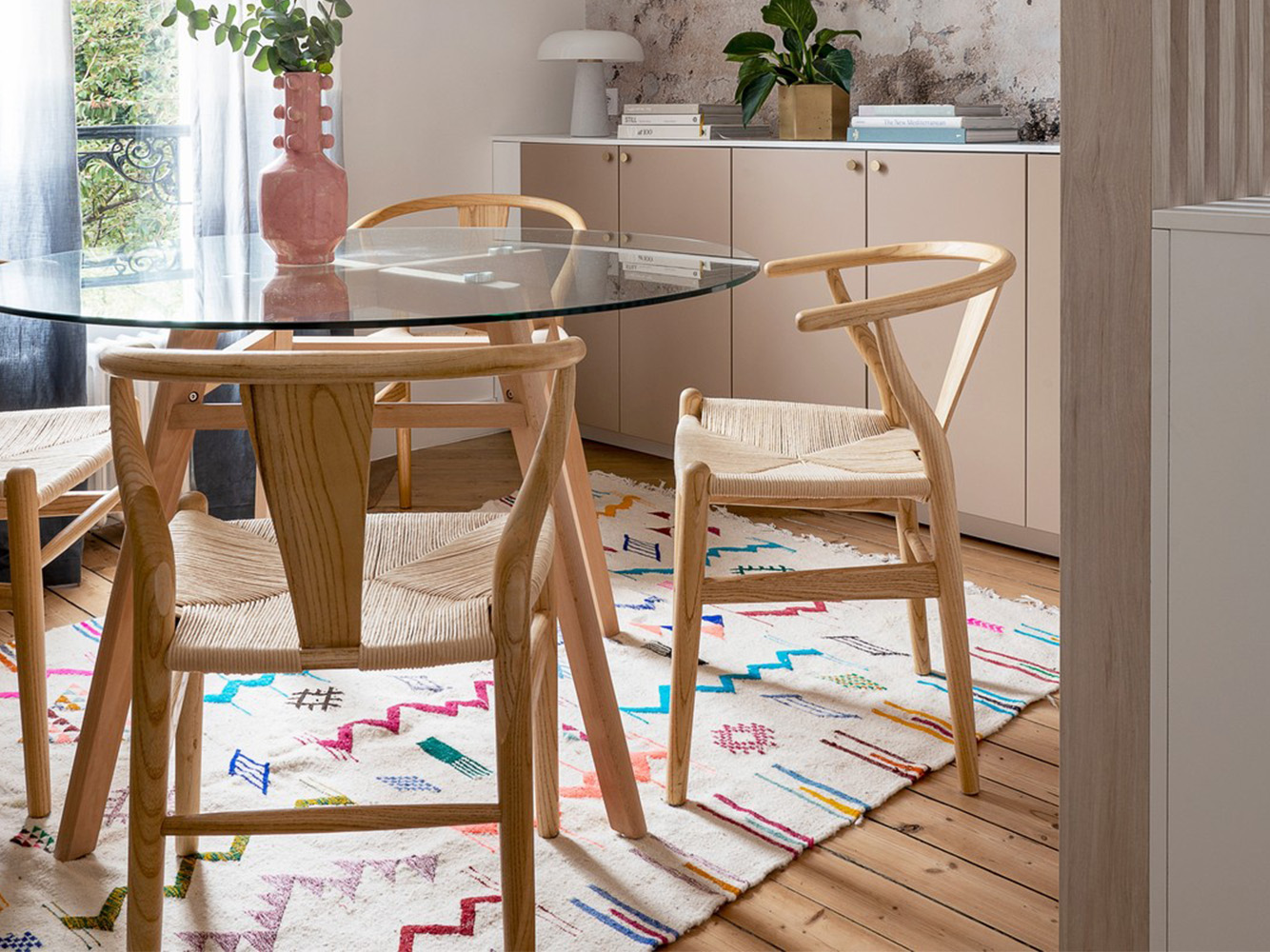
Kilim Rugs: Elegance and Lightness

Contrary to long-pile carpets, Kilims are flat-woven.

They are distinguished by:

  • their low thickness;
  • their graphic patterns;
  • their lightweight;
  • their easy maintenance.

Their structure allows them to be used both on the floor and as wall decoration.


Where to install a Kilim?

Kilims are particularly suitable for:

  • dining rooms;
  • entryways;
  • offices;
  • hallways.

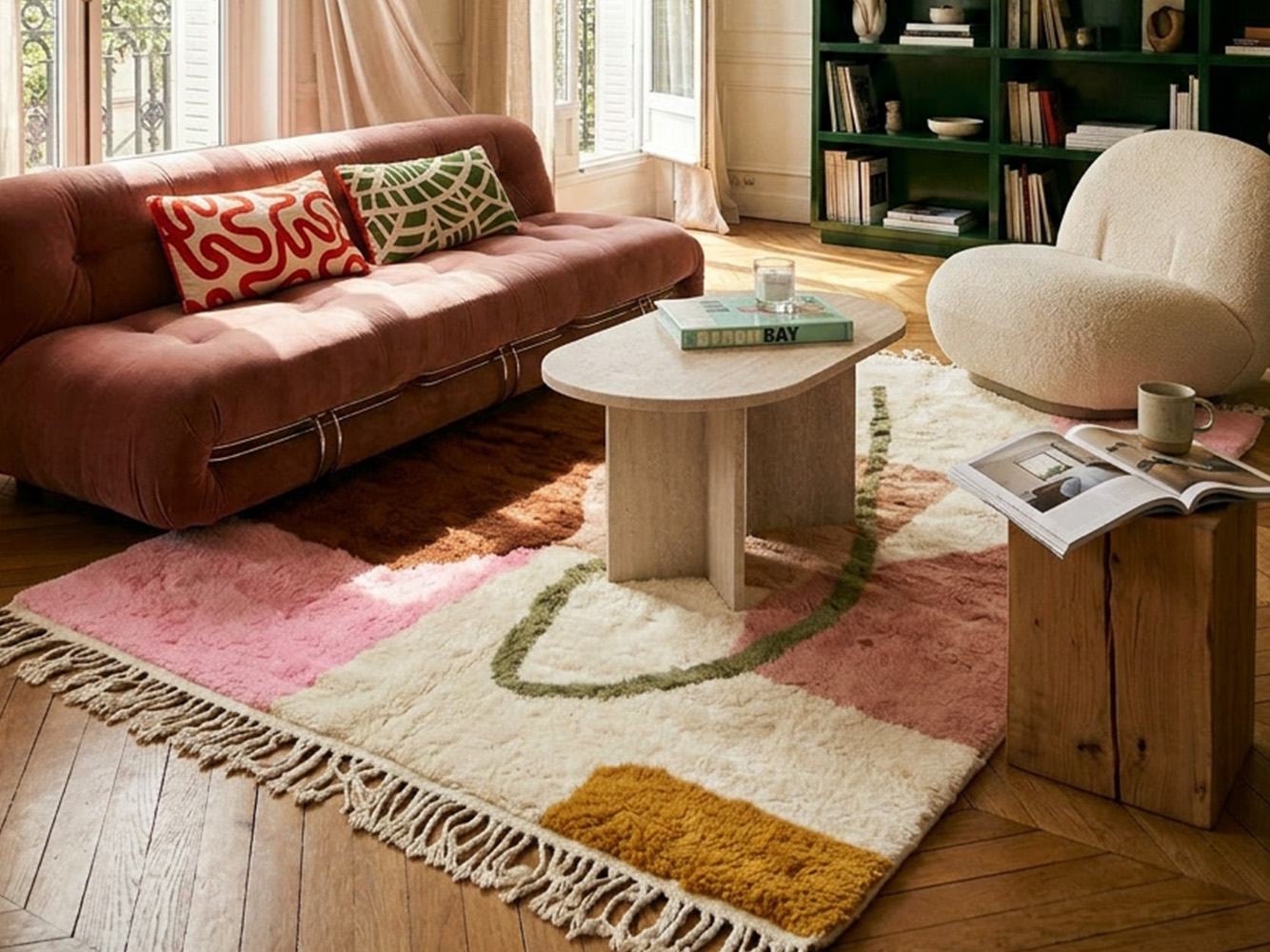
Mrirt Rugs: the luxury of Berber wool

The Mrirt carpets are often considered the most high-end of Moroccan Berber carpets.

They are renowned for:

  • their exceptional density;
  • their extremely soft wool;
  • their refined finish;
  • their contemporary patterns.

Their production requires particularly demanding expertise.


Why choose a Mrirt carpet?

For those seeking:

  • unparalleled comfort;
  • durable quality;
  • an exceptional piece.

HOW TO CHOOSE THE RIGHT BERBER RUG STYLE FOR YOUR INTERIOR?

The choice mainly depends on the desired ambiance.

You like minimalist interiors

Opt for a Beni Ouarain rug or a Mrirt rug in natural tones.

You want to add some color

Look for an Azilal or Boujad rug.

You appreciate unique pieces

Boucherouite rugs offer limitless creativity.

You are looking for a practical rug

Kilims are an excellent option due to their thinness and easy maintenance.

Frequently Asked Questions

What is the most famous Berber carpet?

The Beni Ourain is now the most famous style of Berber carpet internationally thanks to its minimalist and timeless aesthetic.

What is the difference between a Beni Ourain rug and an Azilal rug?

The Beni Ouarain favors neutral tones and simple patterns, while the Azilal stands out with its bright colors and more artistic expression. You can read our article on the topic here.

Which Berber rug should I choose for a living room?

The Béni Ouarain, Azilal, Boujad, and Mrirt rugs are particularly popular in living rooms thanks to their comfort and decorative presence.

Are all Berber rugs made of wool?

Most are woven with natural wool, but some designs are made with a blend of wool and cotton. In addition, rugs like Boucherouite also incorporate recycled textiles.

THE DIFFERENT STYLES OF BERBER RUGS: COMPLETE GUIDE TO UNDERSTANDING THEIR SPECIFICITIES

Published on July 17, 2026

The Berber rugs fascinate with their authenticity, their ancestral know-how, and their incredible diversity. Behind the term "Berber rug" are actually many styles, each with its own history, patterns, colors, and weaving techniques.

Whether minimalist, colorful, graphic, or laden with symbols, each Berber rug reflects the identity of the region and tribe that gave it life. Understanding the different styles of Berber rugs allows you to choose a piece that suits your interior while appreciating the cultural richness it embodies.


WHAT IS A BERBER RUG?

The Berber carpet is a traditional hand-woven carpet by women from the Amazigh tribes (Berbers) of Morocco. Made primarily from natural wool, these carpets were historically intended for domestic use: insulation of dwellings, bedding, or coverings. Each piece tells a story through symbolic patterns passed down from generation to generation.

Today, Berber carpets are sought after worldwide for their craftsmanship quality and timeless aesthetic.

Azilal rugs: Berber creativity

Originally from the Azilal region in the High Atlas, these rugs are characterized by their great artistic freedom. Unlike the Beni Ouarain, Azilal rugs often display:

  • asymmetrical patterns;
  • bright colors;
  • abstract designs;
  • very expressive Berber symbols.

Each piece is unique and often reflects the weaver's imagination.


Why choose an Azilal rug?

An Azilal rug immediately brings:

  • personality;
  • color;
  • an artistic touch;
  • a bohemian chic vibe.

It often becomes the central element of the decoration.

Boujad rugs: warmth and character

The Boujad rugs come from a region south of Marrakech.

They are recognizable by:

  • their pink, terracotta, or red tones;
  • their complex geometric patterns;
  • their vintage look;
  • their dense and plush wool.

Over time, their colors develop a beautiful patina that adds to their charm.


Where to integrate a Boujad rug in your decor?

Boujad rugs go particularly well with:

  • bohemian interiors;
  • countryside homes;
  • eclectic decorations;
  • warm and lively spaces.

Boucherouite Rugs: The Art of Recycling

The Boucherouite rugs are probably the most atypical among Berber rugs.

Traditionally made from recycled fabric scraps, they feature:

  • very bright colors;
  • spontaneous compositions;
  • free patterns;
  • great visual richness.

Each rug is a true work of textile art.


Why are Boucherouite rugs so appealing?

They appeal because of:

  • their originality;
  • their sustainable artisanal approach;
  • their joyful aesthetics;
  • their unique character.

Kilim Rugs: Elegance and Lightness

Contrary to long-pile carpets, Kilims are flat-woven.

They are distinguished by:

  • their low thickness;
  • their graphic patterns;
  • their lightweight;
  • their easy maintenance.

Their structure allows them to be used both on the floor and as wall decoration.


Where to install a Kilim?

Kilims are particularly suitable for:

  • dining rooms;
  • entryways;
  • offices;
  • hallways.

Mrirt Rugs: the luxury of Berber wool

The Mrirt carpets are often considered the most high-end of Moroccan Berber carpets.

They are renowned for:

  • their exceptional density;
  • their extremely soft wool;
  • their refined finish;
  • their contemporary patterns.

Their production requires particularly demanding expertise.


Why choose a Mrirt carpet?

For those seeking:

  • unparalleled comfort;
  • durable quality;
  • an exceptional piece.

HOW TO CHOOSE THE RIGHT BERBER RUG STYLE FOR YOUR INTERIOR?

The choice mainly depends on the desired ambiance.

You like minimalist interiors

Opt for a Beni Ouarain rug or a Mrirt rug in natural tones.

You want to add some color

Look for an Azilal or Boujad rug.

You appreciate unique pieces

Boucherouite rugs offer limitless creativity.

You are looking for a practical rug

Kilims are an excellent option due to their thinness and easy maintenance.

Frequently Asked Questions

What is the most famous Berber carpet?

The Beni Ourain is now the most famous style of Berber carpet internationally thanks to its minimalist and timeless aesthetic.

What is the difference between a Beni Ourain rug and an Azilal rug?

The Beni Ouarain favors neutral tones and simple patterns, while the Azilal stands out with its bright colors and more artistic expression. You can read our article on the topic here.

Which Berber rug should I choose for a living room?

The Béni Ouarain, Azilal, Boujad, and Mrirt rugs are particularly popular in living rooms thanks to their comfort and decorative presence.

Are all Berber rugs made of wool?

Most are woven with natural wool, but some designs are made with a blend of wool and cotton. In addition, rugs like Boucherouite also incorporate recycled textiles.