



HOW TO RECOGNIZE A REAL BERBER CARPET?

Faced with the proliferation of so-called industrial "Berber" rugs, it is becoming increasingly difficult to distinguish an authentic Berber rug, handwoven in Morocco, from a simple imitation.

A true Berber rug is the result of ancestral know-how, passed down from generation to generation by Moroccan craftswomen. Material, manufacturing, patterns, origin, price: in this article, we provide you with all the essential criteria to recognize a genuine Berber rug and make an informed choice.

A REAL BERBER RUG IS HANDMADE

The number one criterion for recognizing a true Berber carpet is its artisanal production.

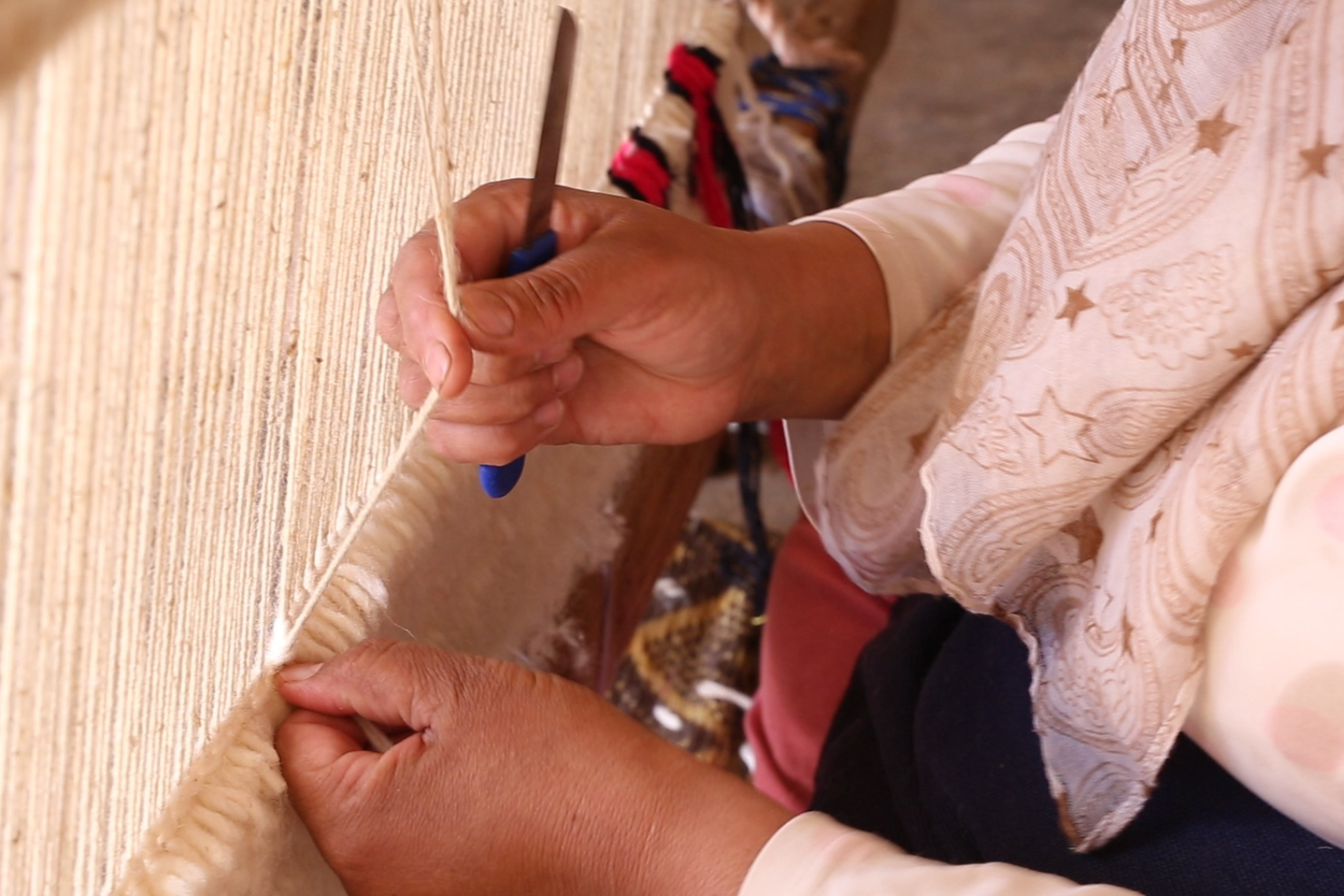
An authentic Berber carpet is handwoven on a traditional loom, without industrial machinery, by craftswomen from Moroccan Berber tribes.


How to verify this?
  1. Berber carpets are never perfectly regular

  2. The lines may be slightly wavy

  3. The patterns are not strictly symmetrical

These irregularities are not defects: they are the signature of handmade craftsmanship. On the contrary, a carpet that is too perfect, too smooth, or strictly identical to another is often industrial.

THE MATERIAL: HOW TO RECOGNIZE THE WOOL OF AN AUTHENTIC BERBER RUG

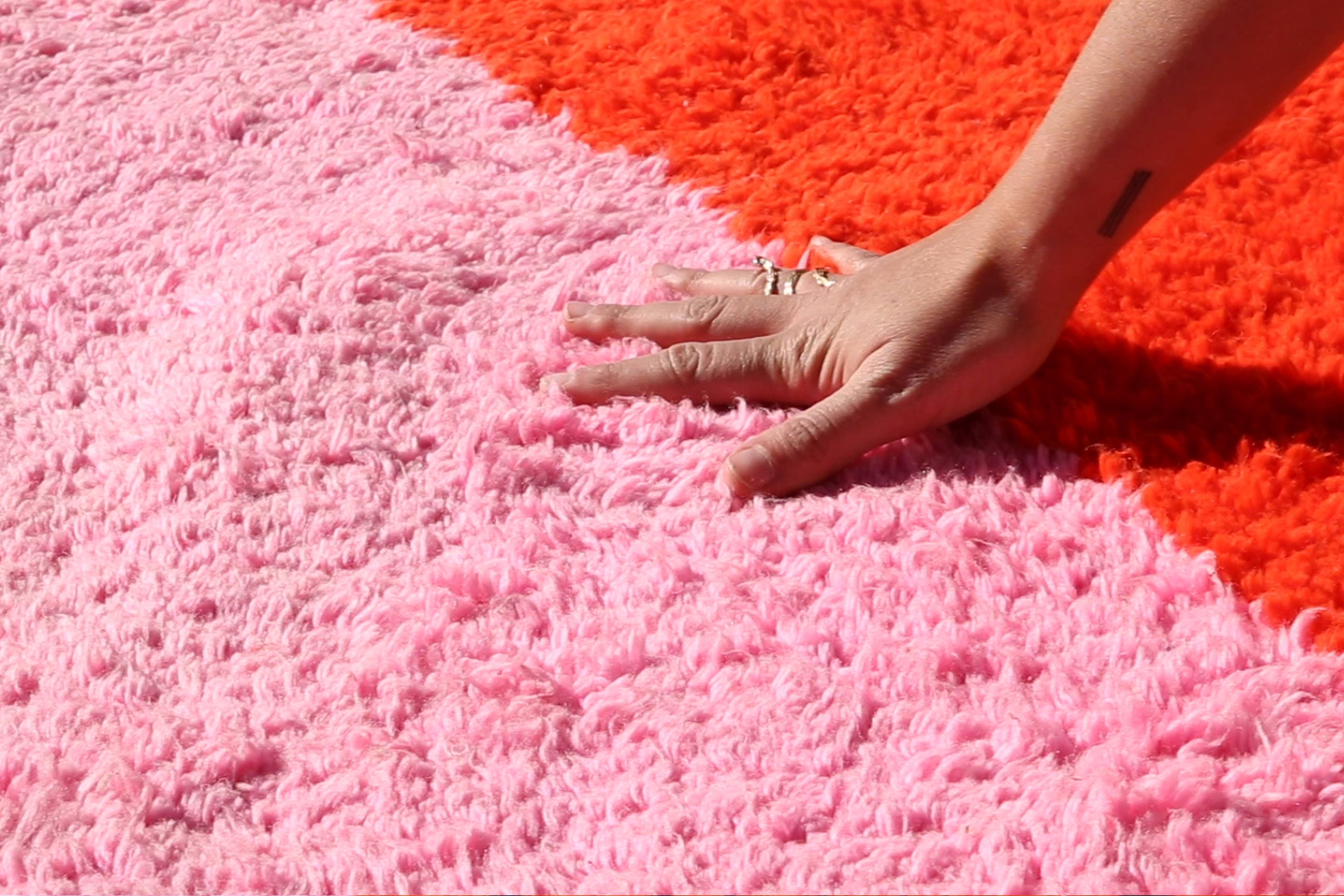
A real Berber carpet is traditionally made of natural wool derived from sheep.

Characteristics of Berber wool:
  1. Natural touch (not plastic)

  2. Natural, slightly animal-like odor

  3. Irregular fibers

  4. Good thermal insulation

While polypropylene, polyester, or synthetic blends are often materials used in so-called "Berber-inspired" carpets.

IRREGULARITIES: A SIGN OF AUTHENTICITY

An authentic Berber carpet tells a story. A carpet that is too uniform is often a standardized carpet.

You can observe variations in shades, knots that are more or less tight, or subtle changes in patterns.

These differences can come from manual spinning, artisanal dyeing, or the weaving rhythm.

THE PATTERNS ON A REAL BERBER CARPET HAVE A MEANING

In traditional Berber carpets, patterns are never decorative by chance.

They can symbolize:

  1. Fertility

  2. Protection

  3. Nature

  4. Moments of life

Even in contemporary interpretations, these codes remain present. Industrial carpets often use these patterns without understanding their origins.

THE ORIGIN OF A BERBER CARPET MUST BE CLEAR

A true Berber carpet is made in Morocco, in well-identified regions.

Examples: Middle Atlas, High Atlas, Anti-Atlas

Always ask these questions:

  1. Where was it made?

  2. By whom?

  3. Under what conditions?

A reputable brand should be able to answer these questions directly.

THE PRICE OF A REAL BERBER CARPET: A KEY INDICATOR

An authentic Berber carpet requires:

  1. Several weeks of work

  2. A know-how passed down from generation to generation

  3. High-quality raw materials

A very low price is rarely compatible with ethical artisanal production.

If a carpet is sold at a ridiculously low price, someone, somewhere, is not being paid their fair value.

WHY CHOOSE AN AUTHENTIC BERBER RUG?

Buying a real Berber rug is not just a matter of aesthetics.

It's about supporting:

1. Ancestral know-how

2. Fairly paid craftswomen

3. A more human and sustainable production

At Them, we are a French brand specialized in handcrafted Berber rugs from Morocco, working directly with local craftswomen to offer authentic, contemporary, and responsible pieces.

Discover our handcrafted Berber rugs.

Discover our other articles

Choosing a rug size that fits your interior
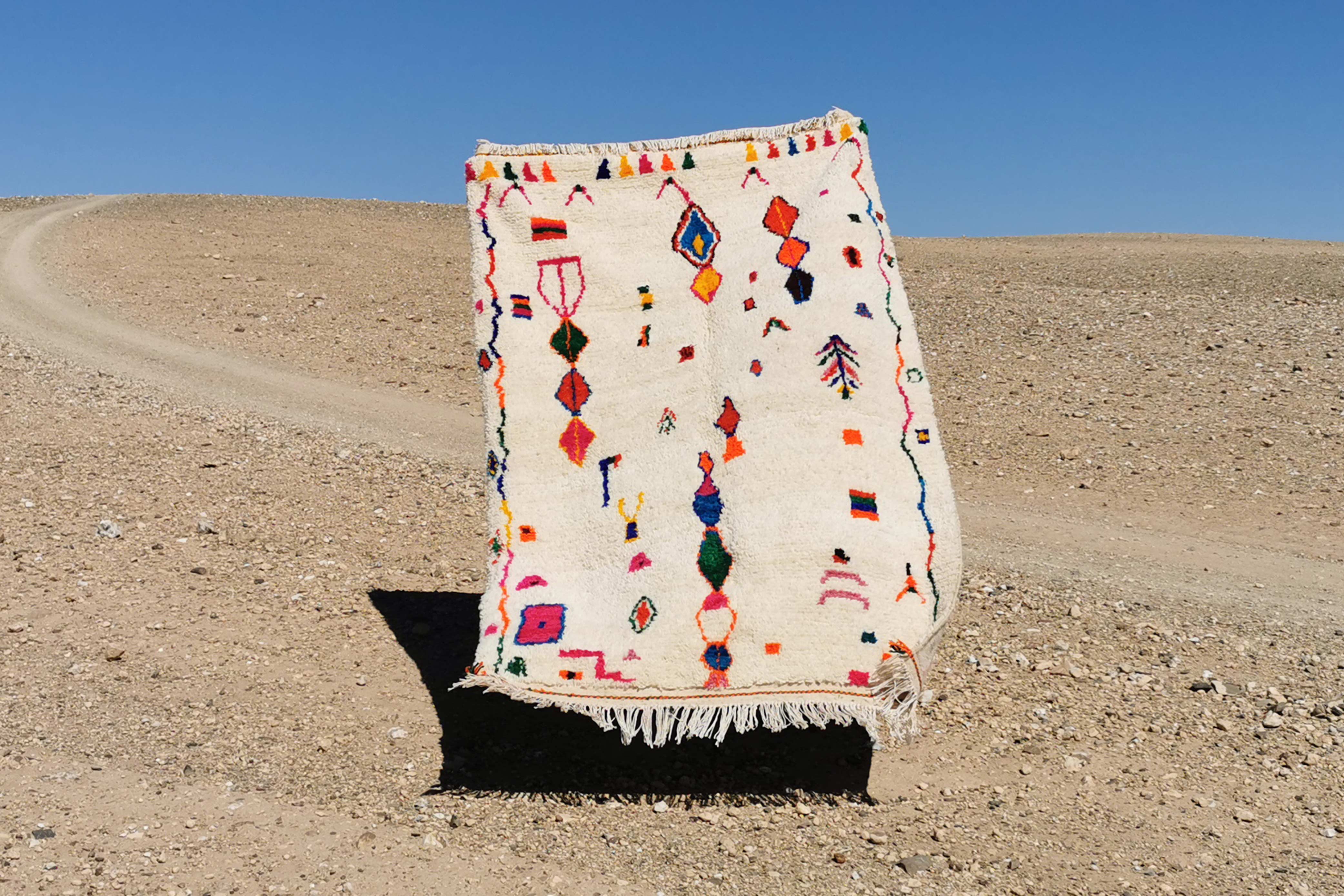
A Berber carpet is a traditional handmade carpet made by the Berber people of North Africa, particularly in countries like Morocco, Algeria, Tunisia, and Libya. These carpets are known for their unique designs, patterns, and symbols, often reflecting the cultural heritage and traditions of the Berber tribes. They are typically made from natural materials such as wool, and each carpet is distinct and carries its own story and symbolism. Berber carpets are highly valued for their quality, craftsmanship, and artistic value.
How to clean a Berber carpet?

HOW TO RECOGNIZE A REAL BERBER CARPET?

Faced with the proliferation of so-called industrial "Berber" rugs, it is becoming increasingly difficult to distinguish an authentic Berber rug, handwoven in Morocco, from a simple imitation.

A true Berber rug is the result of ancestral know-how, passed down from generation to generation by Moroccan craftswomen. Material, manufacturing, patterns, origin, price: in this article, we provide you with all the essential criteria to recognize a genuine Berber rug and make an informed choice.

A REAL BERBER RUG IS HANDMADE

The number one criterion for recognizing a true Berber carpet is its artisanal production.

An authentic Berber carpet is handwoven on a traditional loom, without industrial machinery, by craftswomen from Moroccan Berber tribes.


How to verify this?
  1. Berber carpets are never perfectly regular

  2. The lines may be slightly wavy

  3. The patterns are not strictly symmetrical

These irregularities are not defects: they are the signature of handmade craftsmanship. On the contrary, a carpet that is too perfect, too smooth, or strictly identical to another is often industrial.

THE MATERIAL: HOW TO RECOGNIZE THE WOOL OF AN AUTHENTIC BERBER RUG

A real Berber carpet is traditionally made of natural wool derived from sheep.

Characteristics of Berber wool:
  1. Natural touch (not plastic)

  2. Natural, slightly animal-like odor

  3. Irregular fibers

  4. Good thermal insulation

While polypropylene, polyester, or synthetic blends are often materials used in so-called "Berber-inspired" carpets.

IRREGULARITIES: A SIGN OF AUTHENTICITY

An authentic Berber carpet tells a story. A carpet that is too uniform is often a standardized carpet.

You can observe variations in shades, knots that are more or less tight, or subtle changes in patterns.

These differences can come from manual spinning, artisanal dyeing, or the weaving rhythm.

THE PATTERNS ON A REAL BERBER CARPET HAVE A MEANING

In traditional Berber carpets, patterns are never decorative by chance.

They can symbolize:

  1. Fertility

  2. Protection

  3. Nature

  4. Moments of life

Even in contemporary interpretations, these codes remain present. Industrial carpets often use these patterns without understanding their origins.

THE ORIGIN OF A BERBER CARPET MUST BE CLEAR

A true Berber carpet is made in Morocco, in well-identified regions.

Examples: Middle Atlas, High Atlas, Anti-Atlas

Always ask these questions:

  1. Where was it made?

  2. By whom?

  3. Under what conditions?

A reputable brand should be able to answer these questions directly.

THE PRICE OF A REAL BERBER CARPET: A KEY INDICATOR

An authentic Berber carpet requires:

  1. Several weeks of work

  2. A know-how passed down from generation to generation

  3. High-quality raw materials

A very low price is rarely compatible with ethical artisanal production.

If a carpet is sold at a ridiculously low price, someone, somewhere, is not being paid their fair value.

WHY CHOOSE AN AUTHENTIC BERBER RUG?

Buying a real Berber rug is not just a matter of aesthetics.

It's about supporting:

1. Ancestral know-how

2. Fairly paid craftswomen

3. A more human and sustainable production

At Them, we are a French brand specialized in handcrafted Berber rugs from Morocco, working directly with local craftswomen to offer authentic, contemporary, and responsible pieces.

Discover our handcrafted Berber rugs.